The sales funnel is a process in which the customer comes to know about your brand, proceeds to see your brand, and ultimately makes a purchase (and beyond). Businesses can navigate leads through each stage of the funnel with ease by learning the funnel process, understanding the proper funnel process to use in sales, and utilising efficient funnel sales tools to boost revenue growth. This is an in-depth guide on how to create and optimise your sales funnel.
What Is a Sales Funnel?
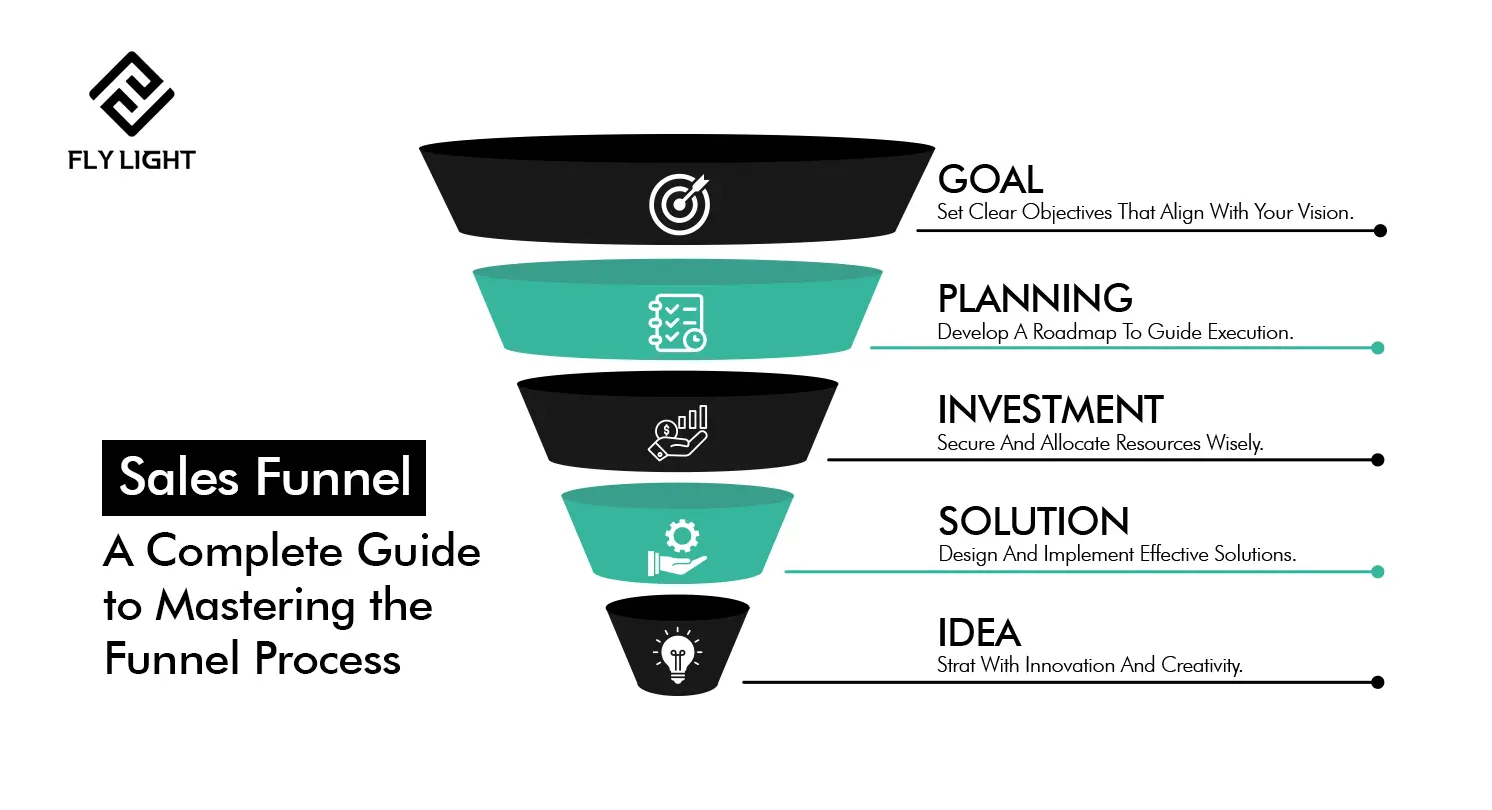
The sales funnel represents a kind of diagram of the movement of potential buyers through the cycle from attention to conversion. Imagine a broad top to the funnel that then slims as it moves down the funnel due to the progression of leads along the various stages, such as interest, consideration and decision. Every step of the way, you have the chance to develop, instruct, and convince your audience.
The Funnel Process
A well‑designed funnel process usually includes these key stages:
1. Awareness – The Top of the Funnel (TOFU)
This is a place where prospects will get to be aware of your product or service. It could be in form of ads, blogs, social media or referrals.
Your goal? Capture attention and draw them in.
Example tactic: Educational content, free guides, or webinars.
2. Interest and Consideration – Middle of the Funnel (MOFU)
Here, leads are actively exploring solutions. They compare and interact more with your brand.
Your goal? Build trust and show why your solution stands out.
Example tactic: Case studies, product demos, or targeted email campaigns.
3. Decision – Bottom of the Funnel (BOFU)
At this stage, the lead is ready to buy.
Your goal? Remove friction and make the conversion easy.
Example tactic: Limited‑time offers, free trials, or one‑on‑one consultations.
4. Post‑Purchase – Beyond the Funnel
An effective funnel technique in sales does not end with a purchase. Delight your customers, encourage repeat purchases, and turn them into advocates.
Example tactic: Loyalty programs, personalised follow‑ups, and referral incentives.
Why the Funnel Technique in Sales Works?
Using a funnel technique in sales helps businesses:
- Understand buyer behaviour at each step
- Customise messaging for better engagement
- Identify and fix bottlenecks where leads drop off.
- Predict revenue more accurately.
Rather than treating your leads equally, you help them in the right direction, creating better bonds and elevating conversion rates.
How to Build and Optimise Your Sales Funnel?
- Map Your Customer Journey
Identify what your buyers need at each stage. What questions are they asking? What objections do they have?
- Create Stage‑Specific Content
Use blog posts at the top of the funnel, down to detailed comparison guides in the middle, and align your content with the corresponding funnel stage.
- Automate with Sales Funnel Tools
Modern sales funnel tools make it easier to track leads, automate follow‑ups, and measure performance.
Popular tools include:
- CRM platforms like Salesforce or HubSpot
- Email automation tools like Mailchimp or ActiveCampaign
- Analytics dashboards for funnel insights
- Test and Refine
Analyse conversion rates at each step. Are leads dropping off after demos? Is your checkout process too complex? Use data to improve continuously.
Extra Tips To Keep In Mind
To stay competitive, consider these additional strategies:
- Personalisation at Scale: Use AI‑powered tools to serve dynamic content or product recommendations based on user behaviour.
- Multi‑Channel Funnels: Don’t rely on a single path; combine social media, paid ads, webinars, and in‑person events.
- Retargeting Campaigns: Re‑engage prospects who left your site without converting.
- Integrating Sales and Marketing Teams: Align both teams so that leads are nurtured consistently across the funnel.
Measuring Success with Funnel Metrics
Keep an eye on these metrics to evaluate your funnel process:
- Lead Conversion Rate (from one stage to the next)
- Customer Acquisition Cost (CAC)
- Average Deal Size
- Sales Cycle Length
- Customer Lifetime Value (CLV)
By tracking these, you can pinpoint where to double down or optimise.
Retail Sales Funnel Example
Imagine you are in the coffee subscription business. Each month, the customers receive a collection of superior coffee beans that are fresh and sourced from around the world. After conducting minor research, you discover that your desired demographics are people aged between 20 to 45 years old who are using Instagram and TikTok. And, so, you put out an excellent Instagram ad, a funny TikTok that will bring people to your site. Here, they sign up with their email in exchange for a free sample or newsletter. Now you have a list of interested leads.
In the next few weeks, you will email them simple coffee recipes, entertaining quizzes and details of your subscription. When they are involved, you will give them a discount of 15 per cent during the initial three months. A lot of them choose to subscribe.
To make them continue returning, you send new specials such as a free coffee bag when they refer others, or when they make orders on mugs and accessories, they are offered discounts. Possibly even a punch card by which they get three months free with a couple of orders.
B2B Sales Funnel Example
Just suppose you are in the business of technological services and consulting. Your clients are usually big companies with over 10,000 employees. You found that company decision-makers often use LinkedIn. You will thus develop a LinkedIn advertisement and a message that can direct the audience to your landing page, where users can find knowledge on the services you offer. You also send messages to the possible leads via InMail in LinkedIn Sales Navigator.
After you have compiled a list of interested persons, you present the interested persons with useful information concerning your services, what you do, how you can help and why they should choose you. Sales Navigator would also assist you in focusing on the relevant audience as per job position or industry. As in the case of coffee, a special offer or discount can be provided to help first-time users use your service.
Concluding Remarks!
Sustainable business growth depends upon a well-structured sales funnel, and it’s more than just a trendy term. You should learn how to manage the funnel process, employ smart funnel techniques in sales, and utilise the correct sales funnel tools to move prospects through the funnel to advocacy.